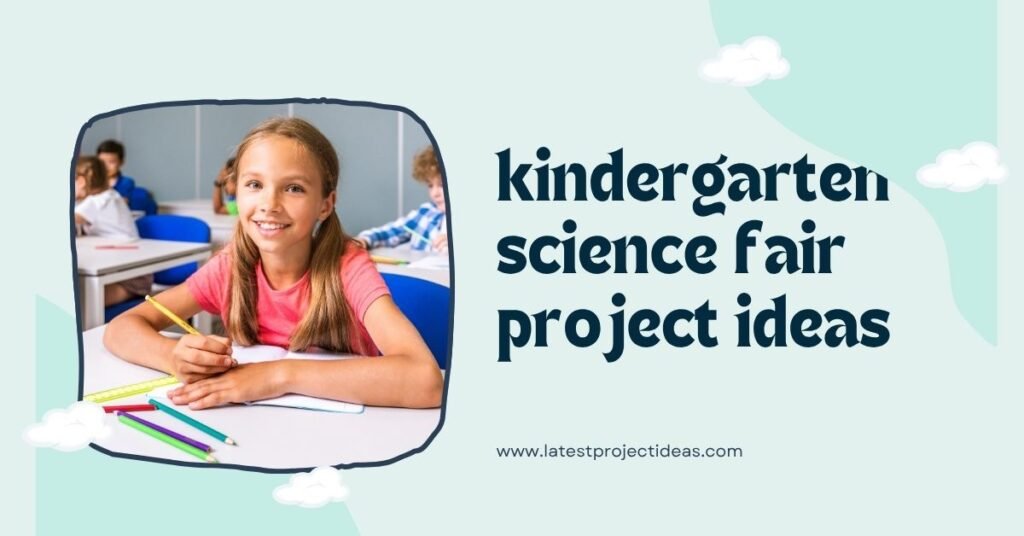
Science in kindergarten should feel like play, not pressure. At this age, children learn best through hands-on activities, colorful experiments, and simple observations. A science fair project is a great opportunity to introduce basic scientific thinking while keeping things fun and engaging.
In this blog, you’ll find 110+ kindergarten science fair project ideas that are safe, easy to perform, and perfect for young learners. These ideas focus on curiosity, exploration, and simple cause-and-effect understanding.
Why Science Fair Projects Matter in Kindergarten?
Kindergarten is the stage where children start asking “why” about everything. Science projects give them a structured way to explore those questions.
Research in early childhood education shows that hands-on learning improves retention and engagement significantly. When kids touch, see, and experiment, they understand concepts better.
Science fair projects help children:
- Build curiosity and observation skills
- Develop early problem-solving abilities
- Improve communication skills
- Gain confidence by presenting ideas
Most importantly, they make learning exciting and memorable.
Also read: Passion Project Ideas For Middle School Students
110+ Kindergarten Science Fair Project Ideas for Early Learners
Below is a well-organized list of 110+ kindergarten science fair project ideas, divided into categories for easy selection.
Simple Experiment-Based Ideas
- What sinks and what floats
- Mixing colors with water
- Growing a bean plant
- Making a baking soda volcano
- Ice melting experiment
- Balloon inflation using vinegar and baking soda
- Rainbow in a glass
- Dissolving sugar in water
- How plants drink water (colored water experiment)
- Sticky vs non-sticky surfaces
- Hot vs cold water effects
- Paper towel absorption test
- Shadow formation experiment
- Sound with rubber bands
- Air takes up space experiment
Nature and Environment Projects
- Types of leaves collection
- Plant growth in sunlight vs shade
- Weather chart project
- Soil types comparison
- Watering plants regularly vs irregularly
- Mini garden project
- Recycling materials demonstration
- Rainwater collection model
- Animal habitat models
- Day and night observation
- Cloud types drawing project
- Tree observation diary
- Seed germination study
- Nature walk collection
- Water conservation display
Sensory and Observation Projects
- Texture identification
- Smell test activity
- Taste comparison (safe foods)
- Color sorting experiment
- Sound identification game
- Temperature feeling test
- Soft vs hard objects
- Wet vs dry materials
- Light vs dark observation
- Magnetic vs non-magnetic items
- Floating objects comparison
- Size and shape sorting
- Weight comparison activity
- Sink vs float chart
- Sticky vs smooth textures
Fun Physics-Based Ideas
- Rolling objects on ramps
- Speed of toy cars on slopes
- Push and pull forces
- Simple pulley model
- Balance scale experiment
- Wind effect on objects
- Paper airplane test
- Magnet attraction experiment
- Gravity demonstration
- Spinning objects experiment
- Light reflection using mirror
- Simple shadow tracking
- Toy parachute test
- Water flow experiment
- Motion with balls
Easy Chemistry-Based Ideas
- Mixing oil and water
- Color-changing milk experiment
- Fizzy reactions with baking soda
- Sugar crystal formation
- Soap bubbles experiment
- Lemon juice invisible ink
- Salt dissolving experiment
- Vinegar cleaning test
- Water evaporation test
- Ice freezing observation
- Mixing liquids experiment
- Soap and pepper experiment
- Bubble size comparison
- Food coloring diffusion
- Liquid density layers
Creative and Interactive Projects
- Build a simple weather station
- Create a science storybook
- Make a model of the solar system
- Create a recycling craft project
- Build a simple bird feeder
- Make a DIY musical instrument
- Create a plant growth chart
- Build a cardboard bridge
- Make a water cycle model
- Create a science poster
- Build a mini aquarium model
- Design a healthy food plate
- Create a bug observation box
- Make a windmill model
- Build a paper boat and test it
Health and Daily Life Projects
- Handwashing effectiveness experiment
- Healthy vs junk food chart
- Tooth brushing demonstration
- Clean vs dirty water comparison
- Exercise and heart rate (basic observation)
- Hygiene habits chart
- Sleep routine project
- Healthy eating habits display
- Water drinking habits chart
- Germ spreading demonstration (using glitter)
Bonus Ideas for Extra Fun
- DIY lava lamp
- Balloon static electricity experiment
- Growing crystals with salt
- Sunlight and shadow movement
- Floating egg experiment
- Ice and salt reaction
- DIY rain cloud in a jar
- Paper bridge strength test
- Bubble color experiment
- DIY mini volcano variation
How to Choose the Right Science Fair Project?
Not every idea will suit every child. The best project is one that matches the child’s curiosity and comfort level.
Choose a project that:
- Uses safe and simple materials
- Has clear and visible results
- Can be explained easily
- Feels fun rather than stressful
For kindergarten students, simplicity always wins over complexity.
How to Present a Kindergarten Science Project?
Presentation matters, even for young learners. A simple and colorful display can make a big difference.
Use Visuals
Add drawings, charts, and colorful labels.
Keep It Short
Explain the project in simple sentences.
Demonstrate the Experiment
If possible, show the experiment live.
Practice Speaking
Help the child explain what they did in their own words.
A confident explanation often impresses more than a complex project.
Tips for Parents and Teachers
Guidance is important, but the child should remain the focus of the project.
- Let the child do most of the work
- Keep experiments safe and supervised
- Encourage curiosity and questions
- Avoid overcomplicating the project
Remember, the goal is learning—not perfection.
Common Mistakes to Avoid
Even simple projects can go wrong if not handled properly.
Avoid:
- Choosing difficult experiments
- Doing the project for the child
- Ignoring safety precautions
- Overloading the display with information
- Last-minute preparation
Keep it simple, fun, and engaging.
Also read: Women’s History Month Project Ideas for Students
Final Thoughts
These kindergarten science fair project ideas are designed to spark curiosity and build a love for learning at an early age. The focus should always remain on exploration and enjoyment.
A small experiment, done with excitement and understanding, is far more valuable than a complex project that feels confusing. Encourage kids to ask questions, explore freely, and enjoy the process—that’s where real learning begins.

Hi, I’m Emma Caldwell, the founder of LatestProjectIdeas.com. With over 3+ years of experience in educational content, project research, and academic resources, I am passionate about helping students, researchers, and innovators discover valuable ideas. Our website provides science project ideas, school projects, engineering projects, research topics, and creative project inspiration for learners of all levels. Every article is carefully researched and designed to be practical, informative, and easy to understand. Our mission is to make learning, innovation, and project development more accessible for everyone.