
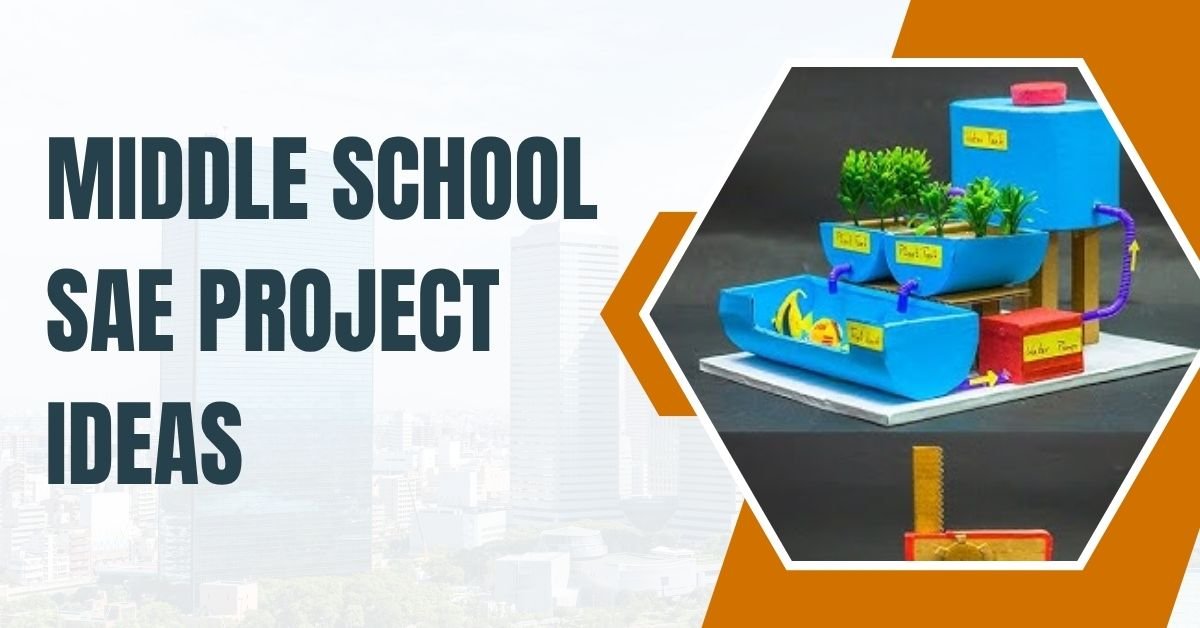
Coming up with creative middle school SAE project ideas can be exciting for students who want to learn new skills and explore real-life experiences. SAE, or Supervised Agricultural Experience, gives young learners a chance to work on hands-on projects that teach responsibility, problem-solving, and basic agricultural knowledge. Middle school students can choose simple, safe, and fun projects that help them understand the world around them. In this blog, we will explore 100 best middle school SAE project ideas, each explained in one short and simple line.
Whether you are a teacher, student, or parent, this guide will help you find the right project idea that fits interests, skills, and goals. Let’s begin this helpful journey into creative learning with middle school SAE project ideas.
What Is a Middle School SAE Project?
A middle school SAE project is a learning activity where students complete hands-on work connected to agriculture, science, environment, or community improvement. SAE stands for Supervised Agricultural Experience, which means students learn by doing practical tasks under the guidance of a teacher, parent, or mentor. These projects help students understand basic concepts in farming, plants, animals, business, and the environment in a very simple and engaging way.
Middle school SAE projects are usually small and safe, designed to match the student’s age and skill level. For example, a student may grow a small plant garden, help with animal care, create a compost bin, or run a mini-business selling handmade crafts. The goal is to build confidence, responsibility, and knowledge. These projects also help students learn real-life skills like time management, planning, communication, teamwork, and problem-solving. No matter what the interest is—plants, animals, science, or community service—there is always a perfect middle school SAE project idea waiting to be explored.
Also read: Welding Project Ideas
Top 100 Best Middle School SAE Project Ideas
- Grow a small vegetable garden at home.
- Keep a daily plant growth journal.
- Build a simple compost bin for kitchen waste.
- Raise herbs in small pots indoors.
- Create a sunflower growing project.
- Make a butterfly-friendly garden space.
- Grow microgreens in trays.
- Track weather changes with a homemade logbook.
- Build a bird feeder using recycled items.
- Study soil types using small samples.
- Make a simple drip-irrigation system for plants.
- Raise earthworms for a vermicompost project.
- Grow flowers and learn about pollination.
- Start a small cactus or succulent collection.
- Collect seeds from different fruits for study.
- Observe insects and document behavior.
- Build a bee hotel for small native bees.
- Create a mini greenhouse with plastic bottles.
- Study plant life cycles with fast-growing plants.
- Build a rainwater collection bottle system.
- Learn about hydroponics using a simple setup.
- Grow mint and study how fast it spreads.
- Create a recycled-material plant pot.
- Track the growth of a single plant over weeks.
- Make natural fertilizer from eggshells or banana peels.
- Care for a class pet like a fish or small reptile.
- Raise a small batch of feeder insects.
- Study bird species visiting the backyard.
- Learn basic pet care with a family animal.
- Create a safe habitat for ladybugs.
- Observe ant behavior in a simple ant farm.
- Study how plants react to light direction.
- Build a homemade weather station.
- Make a poster on local crops in your area.
- Research and grow a traditional crop from your culture.
- Create a plant-watering schedule chart.
- Practice basic landscaping by arranging small stones and plants.
- Make a plant health checklist for your garden.
- Interview a local farmer about their routine.
- Study how different fertilizers affect plant growth.
- Try growing plants in recycled containers.
- Make a bird bath and observe bird activity.
- Keep a diary on seasonal plant growth changes.
- Learn about compost layers by building one.
- Try germinating seeds using tissue paper.
- Test water pH for plant use.
- Start a plant-based science experiment.
- Create an infographic about plant nutrients.
- Learn to identify common garden pests.
- Make homemade insect spray from natural items.
- Grow tomatoes in buckets.
- Grow potatoes in a grow-bag.
- Learn about companion planting.
- Plant beans and track their climbing pattern.
- Build a mini scarecrow for garden decoration.
- Make a nature scrapbook.
- Paint and label rocks for garden markers.
- Create a home recycling station.
- Learn about water conservation in gardening.
- Design a simple garden layout on paper.
- Build a plant-themed photo collage.
- Study how music affects plant growth.
- Raise a small group of snails for observation.
- Learn the difference between organic and inorganic waste.
- Make a handmade bird identification guide.
- Collect leaves and learn their names.
- Study the effects of sunlight on leaves.
- Make a 3D model of a plant cell.
- Learn to identify trees in your area.
- Create a terrarium in a glass jar.
- Study fungi by growing mushrooms safely at home.
- Research farming careers.
- Start a mini gardening service for family.
- Sell small plants to neighbors as a mini business.
- Create handmade plant care cards.
- Make a nature-themed awareness poster.
- Trace the journey of food from farm to plate.
- Create a water-saving plant experiment.
- Build a small clay pot for gardening.
- Study how roots grow using transparent cups.
- Organize a backyard clean-up event.
- Make compost tea for plants.
- Create a chart of local wildlife.
- Study how earthworms improve soil.
- Create a seasonal garden planning guide.
- Build a recycled plastic-bottle planter.
- Grow aloe vera and learn its uses.
- Grow chilies and study their growth pattern.
- Learn about pollinators like bees and butterflies.
- Build a simple plant shade structure.
- Do a water-absorption experiment with soils.
- Grow corn in a small container.
- Learn how to prune small plants safely.
- Make a DIY garden tool organizer.
- Plant garlic cloves and document growth.
- Create a plant experiment comparing two soils.
- Start a mini herb-selling business.
- Grow indoor plants and study air-purifying benefits.
- Build a garden fence using small sticks.
- Create a final project report about your own SAE experience.
- Grow lettuce in small containers and track weekly growth.
- Make a simple windmill model to learn about energy.
- Create a water-level indicator for plant pots.
- Build a mini scarecrow using fabric scraps.
- Start a bird-watching logbook.
- Design a simple recycled water sprinkler.
- Create a DIY bug repellent using natural ingredients.
- Organize plant seeds into a labeled seed box.
- Observe mold growth on bread for a science study.
- Track how temperature affects plant growth.
- Build a cardboard model of a farm layout.
- Learn about plant diseases by studying leaf spots.
- Design a microhabitat for small insects.
- Grow carrots in deep containers.
- Make a mini compost tumbler using a jar.
- Test different watering methods on plant growth.
- Learn to press and preserve flowers.
- Study the effects of wind on plant stems.
- Make a simple automatic plant-waterer using string.
- Grow beans in cotton to study root growth.
- Create a recycled watering can from a bottle.
- Observe how plants grow toward sunlight.
- Learn about aquatic plants by keeping them in a jar.
- Make a nature-inspired bookmark using leaves.
- Create a plant-care checklist for younger kids.
- Track sunrise and sunset times for a month.
- Build a simple rain gauge for measurement.
- Study how earthworms move through soil.
- Make a chart of common farming tools.
- Try composting different fruit scraps to compare results.
- Design a small vertical garden using containers.
- Learn how mulch helps plants stay healthy.
- Study and draw different types of clouds.
- Build a simple hand-powered seed spreader.
- Make a nature-themed greeting card from leaves.
- Grow ginger in a pot and track growth.
- Study how humidity affects plant leaves.
- Create a DIY soil moisture tester.
- Study which plants grow best in shade.
- Track daily air quality using online data.
- Create a mini bamboo garden in containers.
- Learn about plant reproduction using simple examples.
- Build a bug observation box.
- Study how different music genres affect plant growth.
- Make a garden wind chime from recycled items.
- Grow strawberries in small containers.
- Study how ants collect food by observing a trail.
- Create a map of local farms in your area.
- Make a plant-themed calendar with photos.
- Build a DIY birdhouse and observe which birds visit.
Why Middle School SAE Projects Are Beneficial
Middle school SAE project ideas help students develop practical life skills. These projects teach them responsibility because they need to take care of plants, animals, or experiments consistently. Students also learn patience, planning, and how to complete tasks step by step. These projects prepare them for real-world situations and help them discover what they enjoy the most—gardening, science, animals, or environmental work.
SAE projects also build confidence. When students complete something with their own hands, they feel proud and motivated to try more. These projects help improve focus, creativity, and communication skills. They also encourage students to spend more time outdoors and understand nature better. For teachers, SAE projects make learning fun and engaging. Overall, these projects play a big role in shaping a child’s thinking, creativity, and responsibility.
How to Choose the Best Middle School SAE Project
Choosing the right middle school SAE project ideas depends on the student’s interest, available space, and resources. If a student loves plants, gardening projects are the best choice. If they enjoy observing animals, simple animal-care or insect-study projects are ideal. Students with creative skills can choose projects that involve crafting or building.
It is important to start with a small project that is easy to manage. Middle school students should choose something they can complete daily or weekly without stress. They should also consider safety and select projects that match their age. Support from parents and teachers makes the learning experience smoother. The best project is the one that the student enjoys and learns from.
Also read: Innovative Inspire Award Manak Ideas
Conclusion
Middle school SAE project ideas open the door to learning, creativity, and real-life experience. These projects teach students responsibility, patience, and problem-solving in a simple and enjoyable way. Whether students choose gardening, small animal care, recycling projects, or science experiments, each idea helps them grow smarter and more confident. With 100 project ideas in this blog, every student can find the perfect match for their interests. The goal is not just to complete a project but to learn something meaningful from it. Start small, stay consistent, and enjoy the wonderful journey of hands-on learning with middle school SAE project ideas.