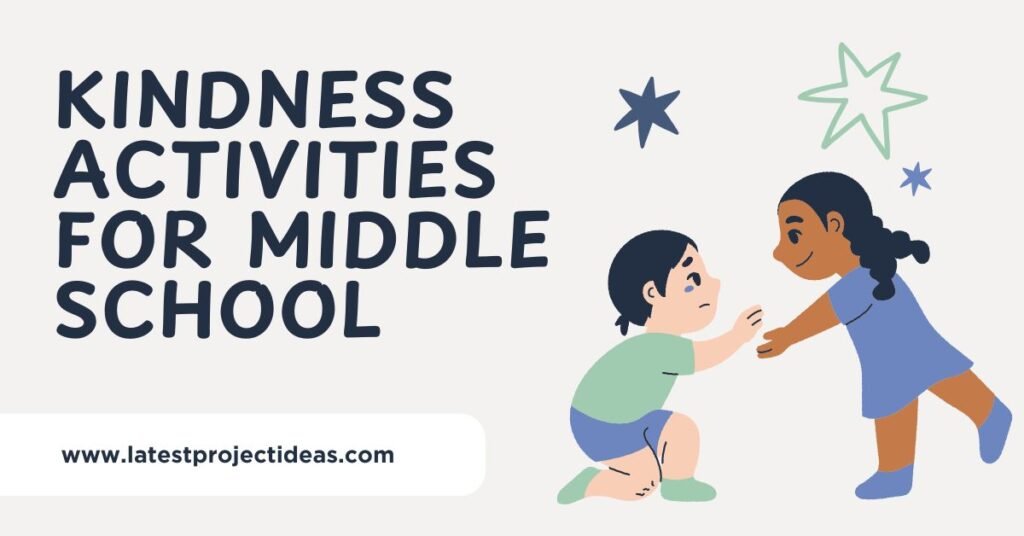
Teaching kindness at an early age is important, and middle school is one of the best stages to develop strong values. Students at this age learn how to communicate, work in teams, and understand others. Therefore, including kindness activities for middle school can help build empathy, improve friendships, and create a positive school environment.
When students practice kindness, they learn to respect others, treat classmates fairly, and handle conflicts calmly. Kindness activities also make learning fun and meaningful because they allow students to work together with a purpose.
In this blog, we will explore 20 easy, fun, and effective kindness activities for middle school that teachers can use in class, during homeroom sessions, or even in school events.
What Are Kindness Activities?
Kindness activities are simple tasks, group projects, or classroom exercises designed to encourage positive behavior among students. These activities help middle school students understand the value of being thoughtful, helpful, and respectful. Kindness does not only mean giving gifts or helping classmates—it also includes speaking politely, listening to others, showing patience, appreciating differences, and offering support when someone needs it.
Kindness activities help students become more aware of their actions and how those actions affect others. They provide hands-on learning experiences where students practice empathy in real situations. When middle school students participate in kindness activities, they learn teamwork, responsibility, and communication. These activities also help reduce bullying, improve friendships, and make the classroom environment more peaceful. Most importantly, they help kids understand that small acts of kindness can create big positive changes in the community.
Also read: Research Topic Ideas for HUMSS Students
20 Kindness Activities for Middle School
Here are 20 simple and meaningful kindness activities:
1. Kindness Jar
Students write small acts of kindness they performed and drop notes into a jar. It encourages daily positive habits and reminds the class how small actions make a big difference.
2. Compliment Cards
Students write anonymous, uplifting notes to classmates. This improves confidence, builds friendships, and helps students feel valued and appreciated in their school environment.
3. Classroom Cleaning Day
Students work together to organize and clean their classroom. It builds responsibility, teamwork, and respect for shared spaces while creating a more positive learning environment.
4. Kindness Wall
A bulletin board where students post kind messages or acts they notice. It highlights positive behavior and motivates everyone to be more thoughtful.
5. Buddy System
Pairs or groups of students support each other in classwork and emotional challenges. It helps build trust, communication skills, and stronger relationships.
6. Thank-You Notes
Students write thank-you messages to teachers, staff, or family. This activity helps them practice gratitude and appreciate people who support them every day.
7. Peer Mentoring
Older students help younger ones with studies or school adjustments. It builds leadership skills and teaches students to be supportive and responsible.
8. Acts of Service Day
A day dedicated to community service tasks like cleaning the school garden or donating items. It builds compassion and encourages social responsibility.
9. Kindness Scavenger Hunt
Students complete small kindness tasks on a checklist. It makes kindness fun and helps students notice opportunities to help others.
10. Kindness Pledge
Students write and sign a personal promise to be kind daily. It builds accountability and strengthens their emotional and moral development.
11. Story Sharing Circle
Students share positive personal experiences. This helps build empathy, strengthens friendships, and teaches students to listen respectfully.
12. Lunch Buddy Activity
Students sit with someone new during lunch. It reduces loneliness, builds new friendships, and helps shy students feel included.
13. Kindness Coupons
Students give classmates “kindness coupons” that offer help or encouragement. It promotes generosity and thoughtful actions.
14. Classroom Appreciation Day
Students write appreciation notes for classmates. It encourages them to focus on strengths rather than differences.
15. Group Problem-Solving Game
Students work together to solve puzzles or challenges. It builds teamwork, patience, and cooperation.
16. Positive Affirmation Posters
Students design posters with encouraging messages. These posters make the classroom environment supportive and motivational.
17. Help a Teacher Day
Students volunteer to assist teachers with simple tasks. It teaches responsibility, respect, and gratitude for educators.
18. Friendship Bracelet Activity
Students make friendship bracelets and share them with classmates. It symbolizes unity, kindness, and positive relationships.
19. Anonymous Good Deed Challenge
Students secretly complete good deeds for others. It teaches kindness without expecting recognition.
20. School-Wide Kindness Chain
Students add a paper link describing a kind act they performed. The chain grows over time, showing how many positive actions happen within the school.
Why Kindness Matters in Middle School
Middle school is a time when students begin to experience huge emotional, social, and physical changes. This is why kindness matters more during this stage than ever before. Students may struggle with confidence, friendships, and academic pressure. Introducing kindness activities in middle school helps reduce stress, builds stronger relationships, and creates a safer environment where students feel valued.
Kindness also teaches emotional maturity. When students practice being patient, understanding, and supportive, they learn how to handle conflicts in better ways. Instead of reacting negatively, they develop calmer responses. Kindness improves school culture by helping students feel included and respected. It also decreases bullying because students become more aware of how their actions affect others.
By participating in kindness activities, middle school students learn to think beyond themselves. They start noticing how small thoughtful actions—like giving a compliment or offering help—can brighten someone’s day. These lessons stay with them and shape their character for a lifetime.
How Teachers Can Encourage Kindness in the Classroom
Teachers play an important role in encouraging kindness in middle school. The best way to teach kindness is by modeling it daily. When teachers speak gently, show patience, and listen to students, children naturally follow that behavior. Teachers can also create a classroom culture where kindness is appreciated and rewarded. For example, they can use kindness charts, daily reflection time, or group activities that require teamwork.
Simple routines such as greeting students at the door, using positive language, and celebrating every child’s effort help create a welcoming environment. Teachers can encourage students to share compliments, help each other, and respect differences among classmates. Group projects also help students learn cooperation, understanding, and empathy.
Another effective way is to include kindness stories or short videos that teach lessons about respect and compassion. When kindness becomes part of daily classroom life, students learn that it is not just an activity—it is a habit and a way of living.
Conclusion
Kindness is one of the most important values students can learn in middle school. It helps them build strong relationships, improve confidence, and create a more positive school environment. The 20 kindness activities for middle school listed in this blog are simple, enjoyable, and meaningful ways to teach students how to care for others. These activities encourage teamwork, empathy, and respect, which are skills that students will carry throughout their lives. With the help of teachers, classmates, and the school community, kindness can become a natural part of every student’s daily routine. Even small acts can create big differences. When students learn kindness early, they grow into compassionate and responsible individuals.

Hi, I’m Emma Caldwell, the founder of LatestProjectIdeas.com. With over 3+ years of experience in educational content, project research, and academic resources, I am passionate about helping students, researchers, and innovators discover valuable ideas. Our website provides science project ideas, school projects, engineering projects, research topics, and creative project inspiration for learners of all levels. Every article is carefully researched and designed to be practical, informative, and easy to understand. Our mission is to make learning, innovation, and project development more accessible for everyone.